Kimchi Jjigae
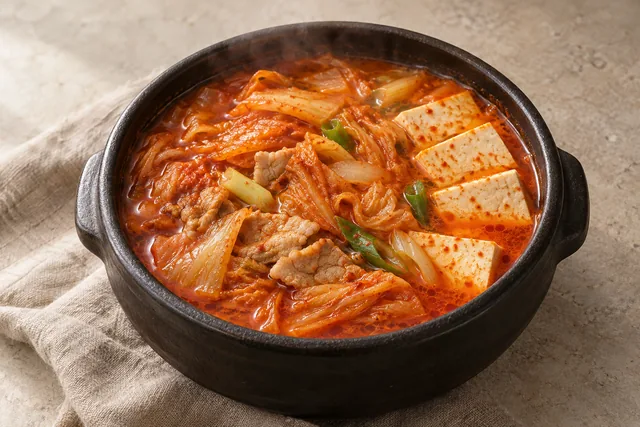
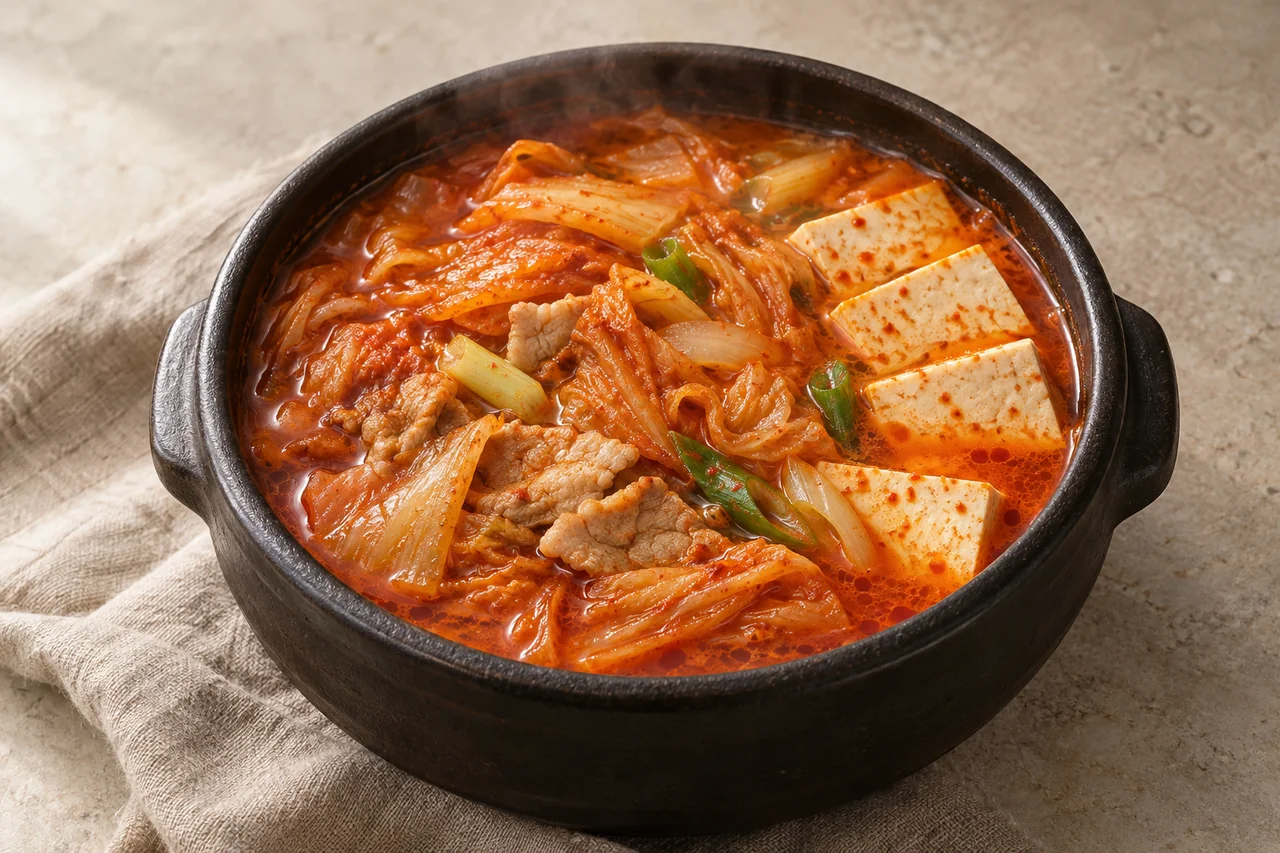
Make a two-serving kimchi stew with fermented napa kimchi, pork, and tofu. Follow the cooking order and adjust the broth for your kimchi's sourness and saltiness.
View recipeGood food, with what you have
Comforting Korean food, one simple step at a time.
Start with the ingredients in your fridge.
Simple, step-by-step cooking
THE EVERYDAY TABLE
Clear ingredients. Helpful details. One step at a time.
Make a two-serving kimchi stew with fermented napa kimchi, pork, and tofu. Follow the cooking order and adjust the broth for your kimchi's sourness and saltiness.
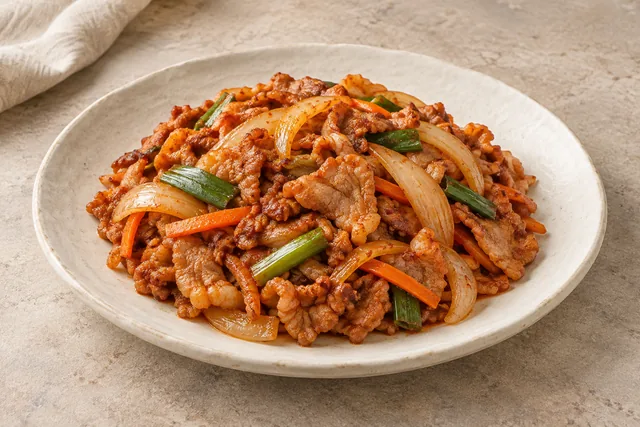
View recipeCoat 300 g of thin pork in a gochujang marinade, chill briefly, and stir-fry in batches. Includes vegetables, measured seasonings, and doneness checks.
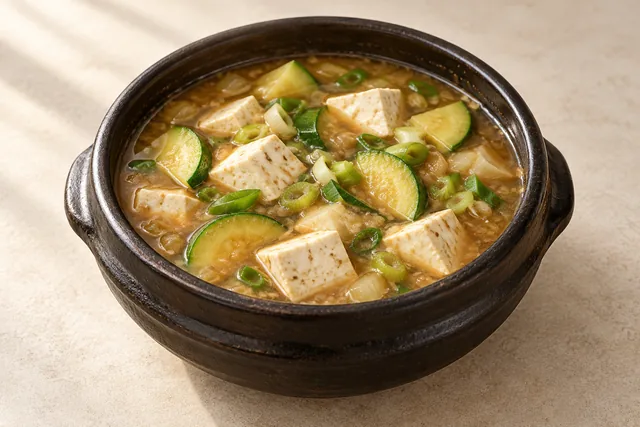
View recipeSimmer tofu, potato, zucchini, and mushrooms in Korean soybean paste broth. This two-serving version uses water and adds the ingredients in cooking order.
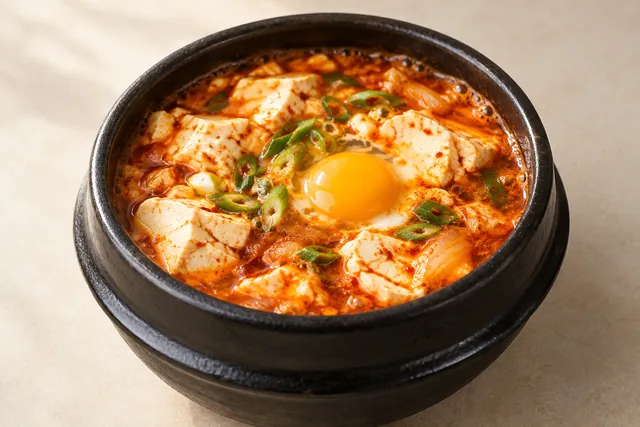
View recipeMake a two-serving soft tofu stew with pork, zucchini, and a fully cooked egg. Learn when to add chili flakes and how to keep the delicate tofu in larger pieces.
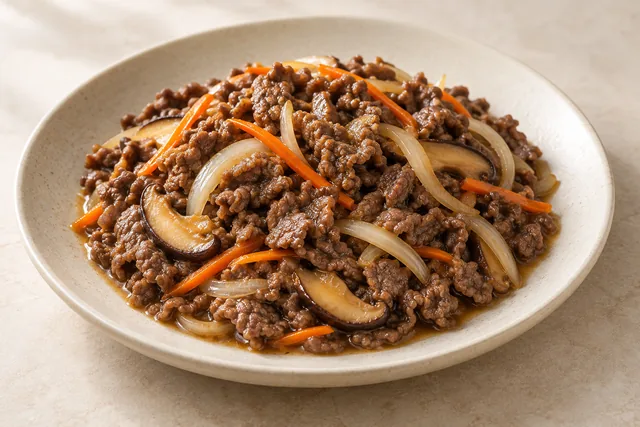
View recipeMarinate thin beef in pear, soy sauce, garlic, and sesame oil, then cook it in a wide skillet. A two-serving recipe with vegetables and practical batch-cooking tips.
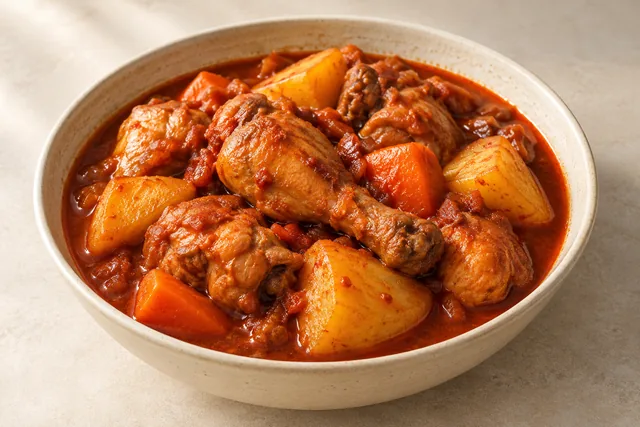
View recipeSimmer bone-in chicken with potatoes in a measured spicy sauce. This two-serving guide explains vegetable timing and checks chicken for 74°C/165°F inside.
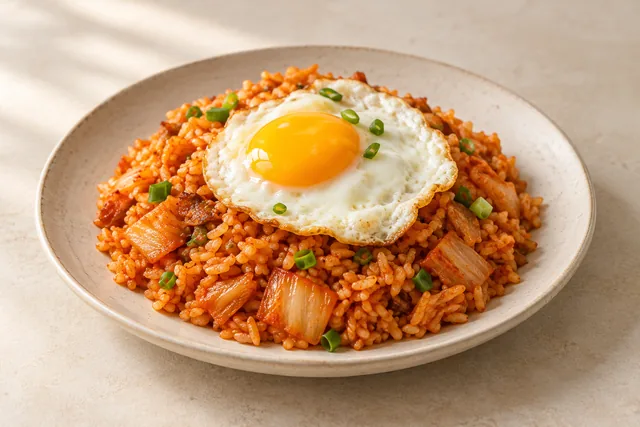
View recipeStir-fry cooked rice with fermented kimchi and green onion, then add fully cooked eggs. Includes moisture control and careful handling of refrigerated rice.
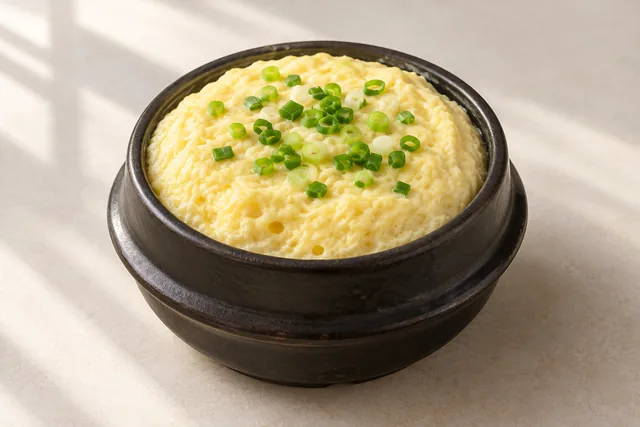
View recipeSteam three eggs with 150 ml water in a heatproof bowl set inside a saucepan. Learn how to limit large bubbles and check that the center is fully cooked.
View recipeRoll three eggs with finely chopped carrot, onion, and green onion. Follow thin layers and gentle heat, then check the omelet is fully cooked in the center.
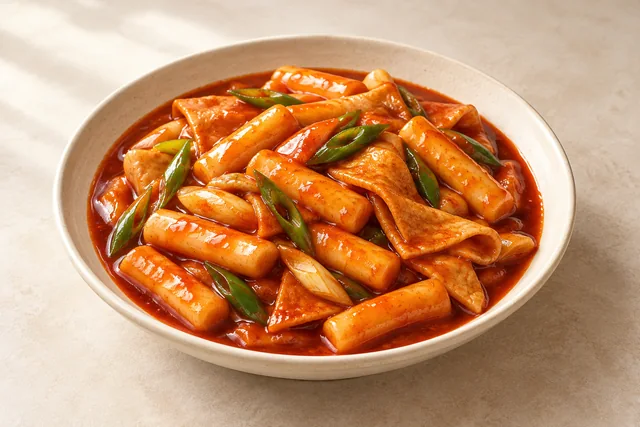
View recipeSimmer rice cakes and fish cakes in a gochujang sauce for two. Check soaking needs, cook the rice cakes through, and finish before the sauce becomes too thick.
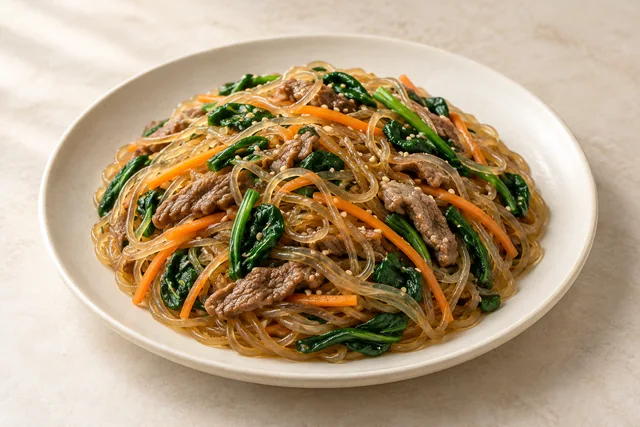
View recipeCook sweet-potato starch noodles with beef, spinach, mushrooms, and vegetables. Prepare each component separately, then combine with a measured soy-sesame sauce.
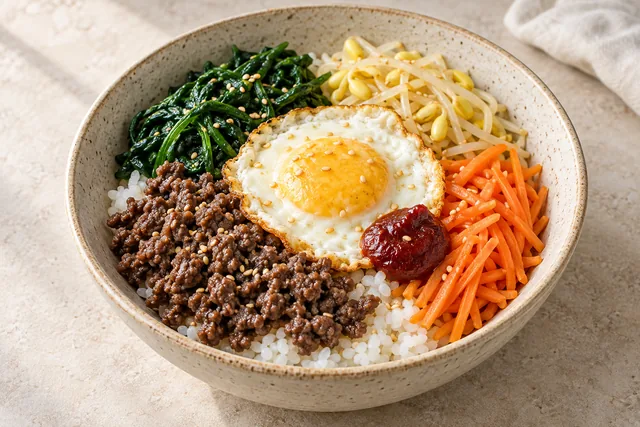
View recipeBuild two rice bowls with cooked beef, firm eggs, and four vegetables. Prepare each topping separately, control excess water, and add gochujang sauce to taste.
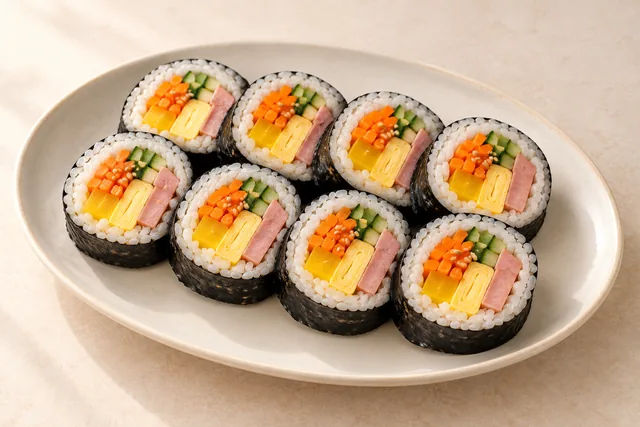
View recipeMake two gimbap rolls with ham, eggs, carrot, cucumber, and pickled radish. Dry the fillings, spread rice thinly, and chill finished rolls promptly when storing.
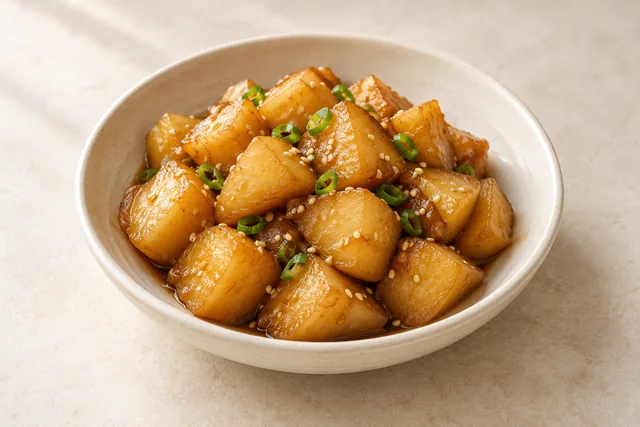
View recipeBraise 300 g potatoes with carrot and onion in a lightly sweet soy sauce. Cut even cubes, check the centers, and finish with syrup without drying out the pan.
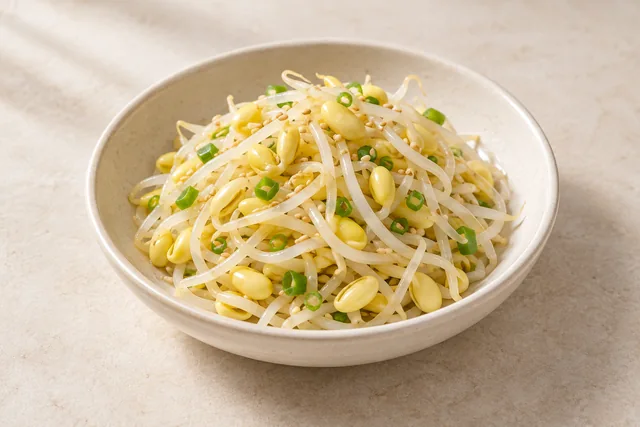
View recipeCook soybean sprouts thoroughly, drain well, and season with garlic and sesame oil. A mild two-serving side dish with careful salt adjustment and storage guidance.
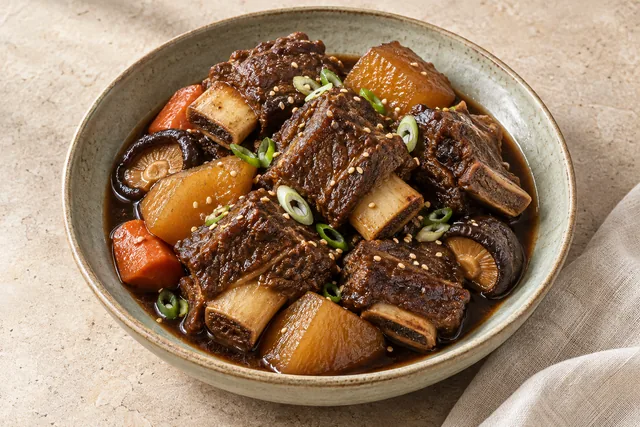
View recipeBraise 700 g of bone-in beef short ribs with radish, carrot, and shiitake mushrooms. Check tenderness before reducing the pear and soy sauce glaze.
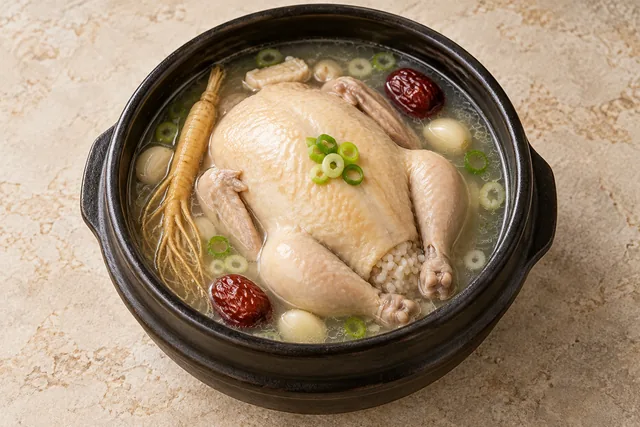
View recipeSimmer a small whole chicken with soaked glutinous rice, fresh ginseng, jujubes, and garlic. Check both the chicken and the rice stuffing for 74°C/165°F.
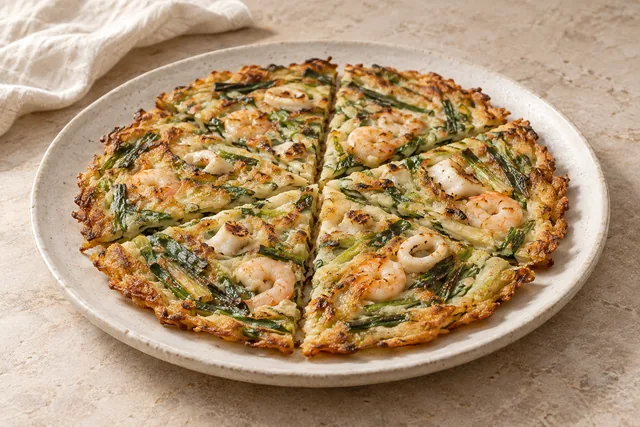
View recipeMake two Korean scallion pancakes with shrimp, squid, flour, starch, and egg. Dry the ingredients, spread a thin layer, and check the cooked center.
View recipeMake two thin kimchi pancakes with fermented napa kimchi, onion, flour, and starch. No added egg or seafood; adjust heat so the batter cooks through.
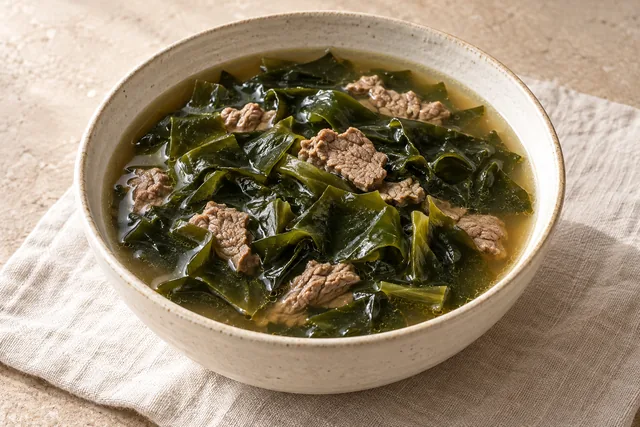
View recipeMake two portions of Korean seaweed soup with 12 g dried miyeok and 150 g beef. Soak, sauté, and simmer, then adjust seasoning after the beef softens.
View recipeTry another dish or ingredient.
Comforting Korean recipes with clear quantities, simple steps and practical tips. Adjust the servings, check your ingredients and cook at your own pace.
Meet FEELHAN